Boyacá
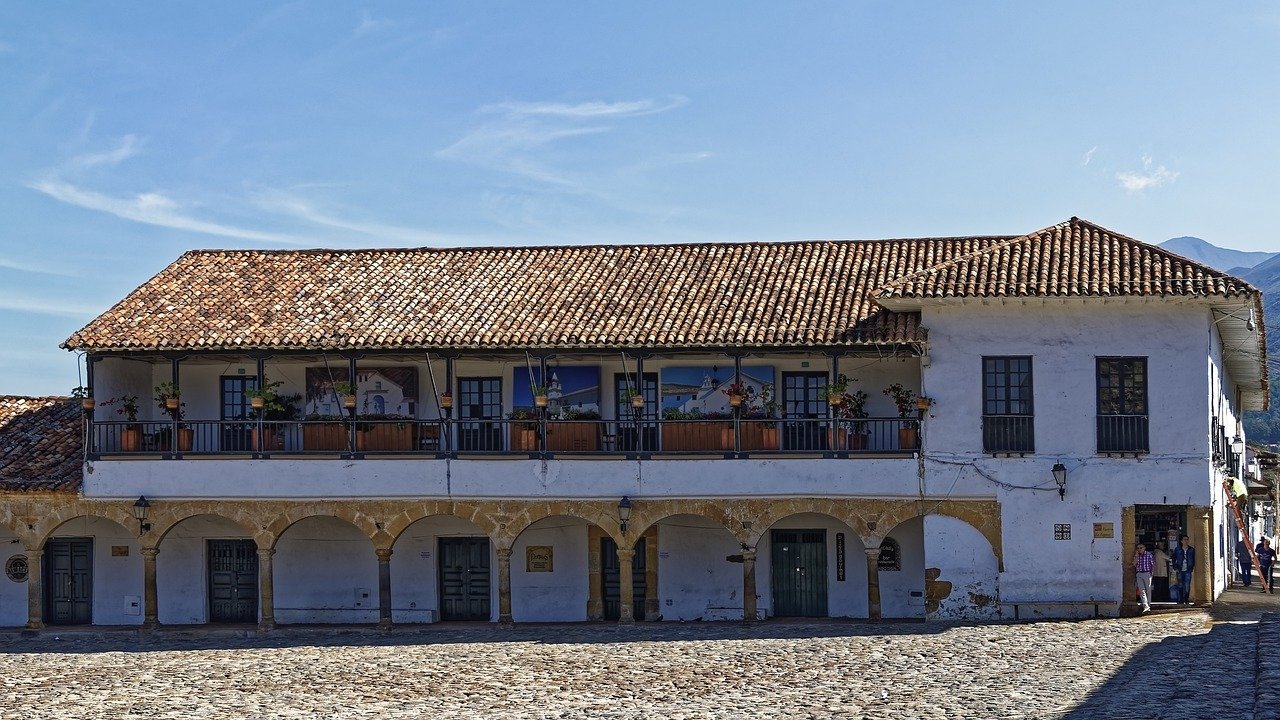
Boyacá is a small Andean town in Colombia's highlands, shaped by colonial heritage and the surrounding mountain landscapes. Its quiet streets, local traditions and nearby historic sites offer a relaxed base for exploring the region.
Passengers
Luggage
About Boyacá
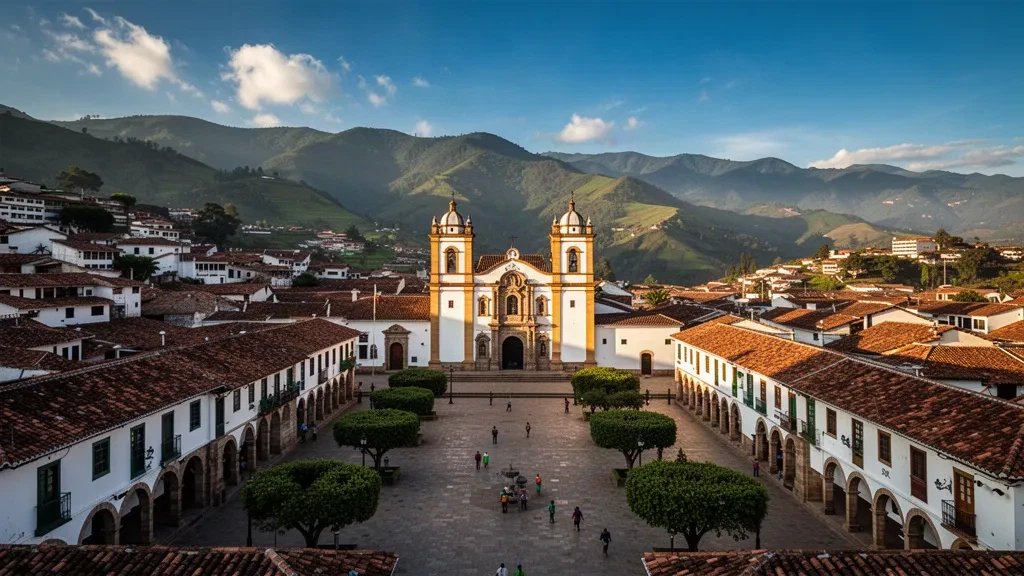
Tunja is the capital of Colombia's Boyacá department and one of the country's most historic highland cities. Founded in 1539, it sits at about 2,820 metres above sea level and combines a well-preserved colonial centre, pre-Hispanic Muisca heritage and a lively student population.
The city's character is rooted in its role in Colombia's independence. Around Plaza de Bolívar stand colonial landmarks such as the Catedral Basílica Metropolitana Santiago de Tunja and the Casa del Fundador Gonzalo Suárez Rendón, while the Puente de Boyacá, about 14 kilometres to the west, marks the site of the decisive 1819 battle.
The historic centre is the main draw, with churches, museums and old houses such as the Casa del Escribano Juan de Vargas, known for its Muisca-influenced mural paintings. Pozo de Hunzahúa and the Cojines del Zaque recall the city's Muisca past, while nearby Villa de Leyva and Paipa add colonial streets and hot springs to the region.
Tunja is an academic and administrative hub, home to the Universidad Pedagógica y Tecnológica de Colombia and host of the Festival Internacional de la Cultura each August and the Aguinaldo Boyacense in December. Services, education, agriculture and a growing tourism sector drive the local economy.
For travelers, Tunja works as both a destination and a base: it offers highland scenery, colonial architecture, regional cooking and direct road links between Bogotá and the towns, lakes and páramo landscapes of the Boyacá highlands.
Boyacá Travel Guide
Best Time to Visit
December to March tends to be drier and ideal for exploring the historic centre and nearby towns. August brings the Festival Internacional de la Cultura, while December's Aguinaldo Boyacense fills the city with lights and music; April–May and October–November are generally the rainiest months.
How to Get Around
The compact historic centre is best explored on foot. Taxis and local busetas cover the wider city, while the Terminal de Transportes offers intercity buses to Bogotá, Villa de Leyva, Paipa and other Boyacá destinations; a rental car is useful for regional day trips.
Where to Stay
Hotels around Plaza de Bolívar and the historic centre put colonial landmarks, churches and museums within walking distance. The Avenida Norte and university areas offer more modern lodging and dining, while nearby Paipa and Villa de Leyva provide countryside and hot-spring stays.
Food & Drink
Local cooking centres on hearty Andean dishes such as cuchuco de trigo con espinazo, cocido boyacense, longaniza and arepas boyacenses. Try almojábanas and a glass of chicha or masato, and look for traditional cafés and restaurants in and around the historic centre.
Ground Transportation Services in Boyacá
Airport Transfers
Private transfers cover the roughly 2.5-hour road journey between Bogotá's El Dorado International Airport and hotels, addresses and business venues in Tunja.
Hourly Chauffeur
Book a private chauffeur by the hour for business meetings, cultural events, sightseeing and flexible travel around Tunja and the wider Boyacá region.
Car Rental
Rent a car in Tunja or Bogotá for independent travel around the city and convenient day trips to Villa de Leyva, Paipa, the Puente de Boyacá and Lake Tota.
Bus & Group Transfers
Arrange minibuses or charter buses for group airport transfers, corporate travel, events and tours across the Boyacá highlands.
Frequently Asked Questions
Related Cities in Colombia
View all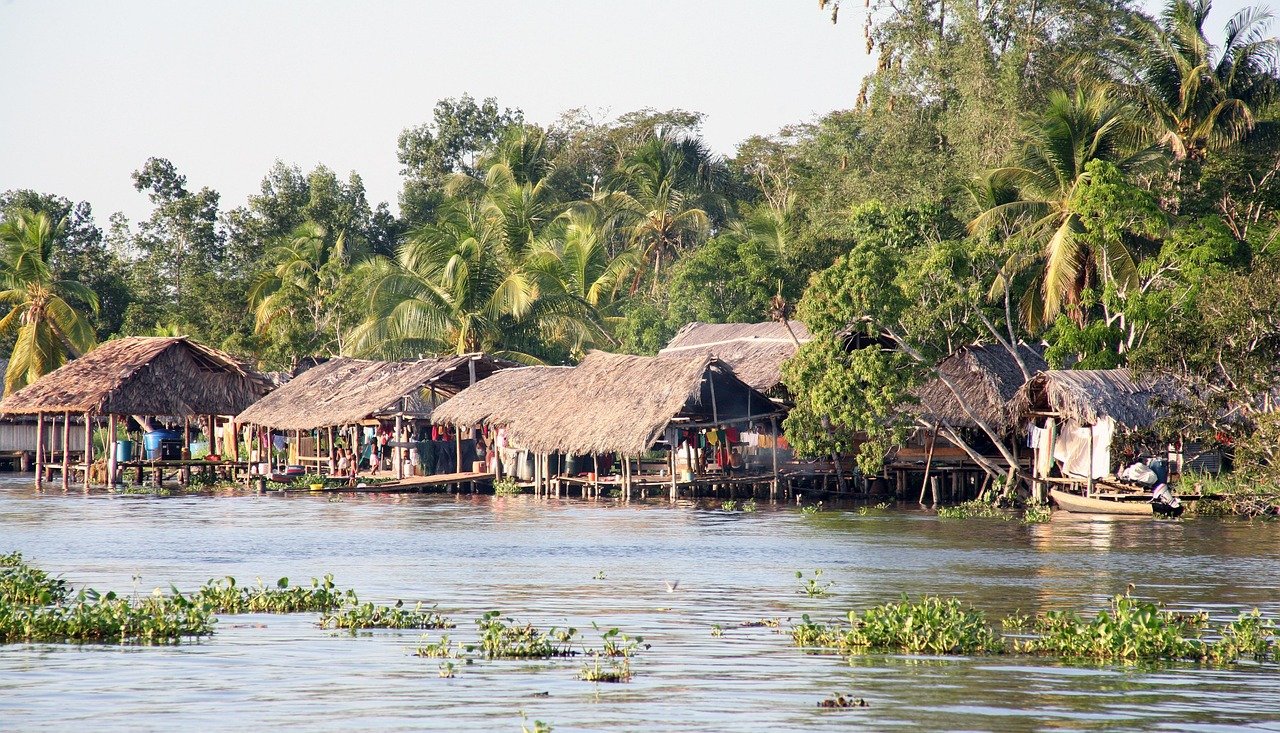
Vichada
Vichada, in eastern Colombia, is a vast landscape of savannas, rivers and forests where the Orinoco and Meta rivers meet, known for its rich wildlife and Indigenous heritage.
Vaupés
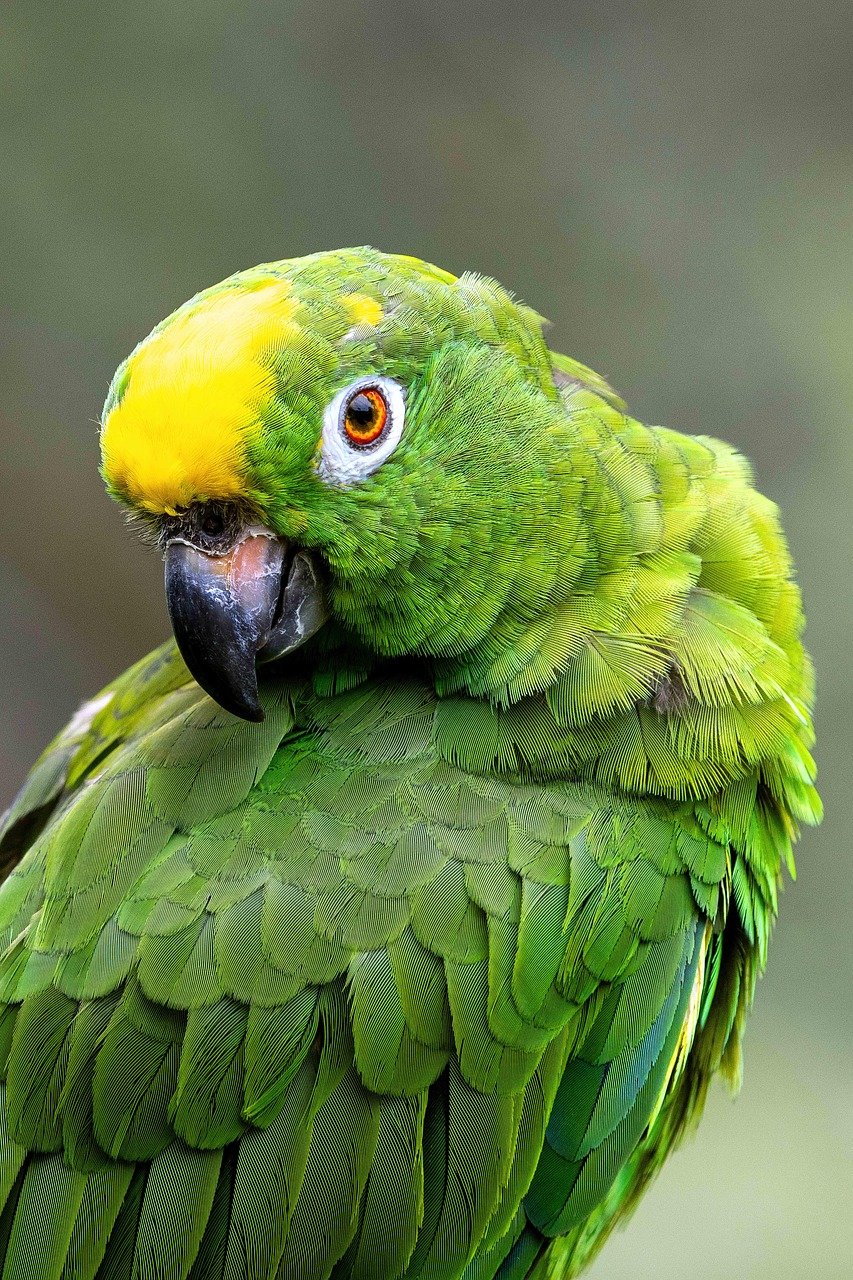
Vaupés, in Colombia's Amazon rainforest, is a land of winding rivers, dense jungle and vibrant Indigenous cultures.
Cali
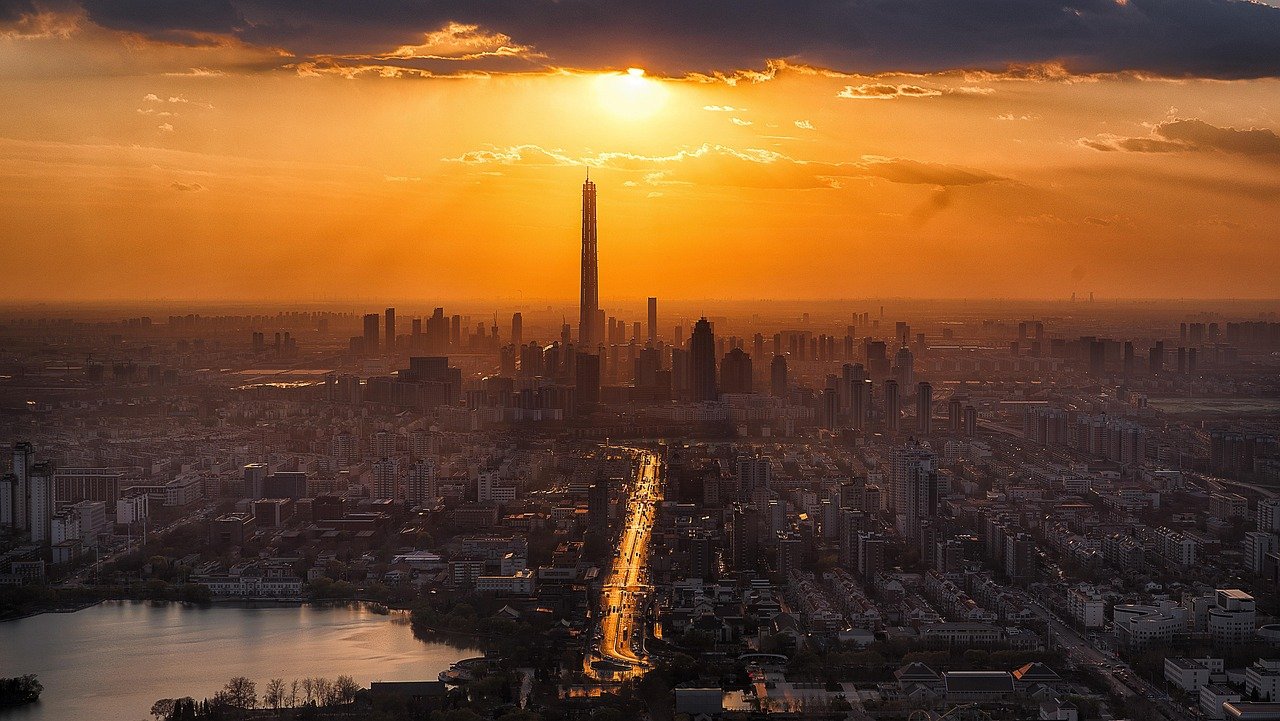
Cali, capital of Valle del Cauca, blends colonial landmarks, a renowned salsa tradition and warm Pacific-influenced energy with a modern urban pulse that draws travelers year-round.